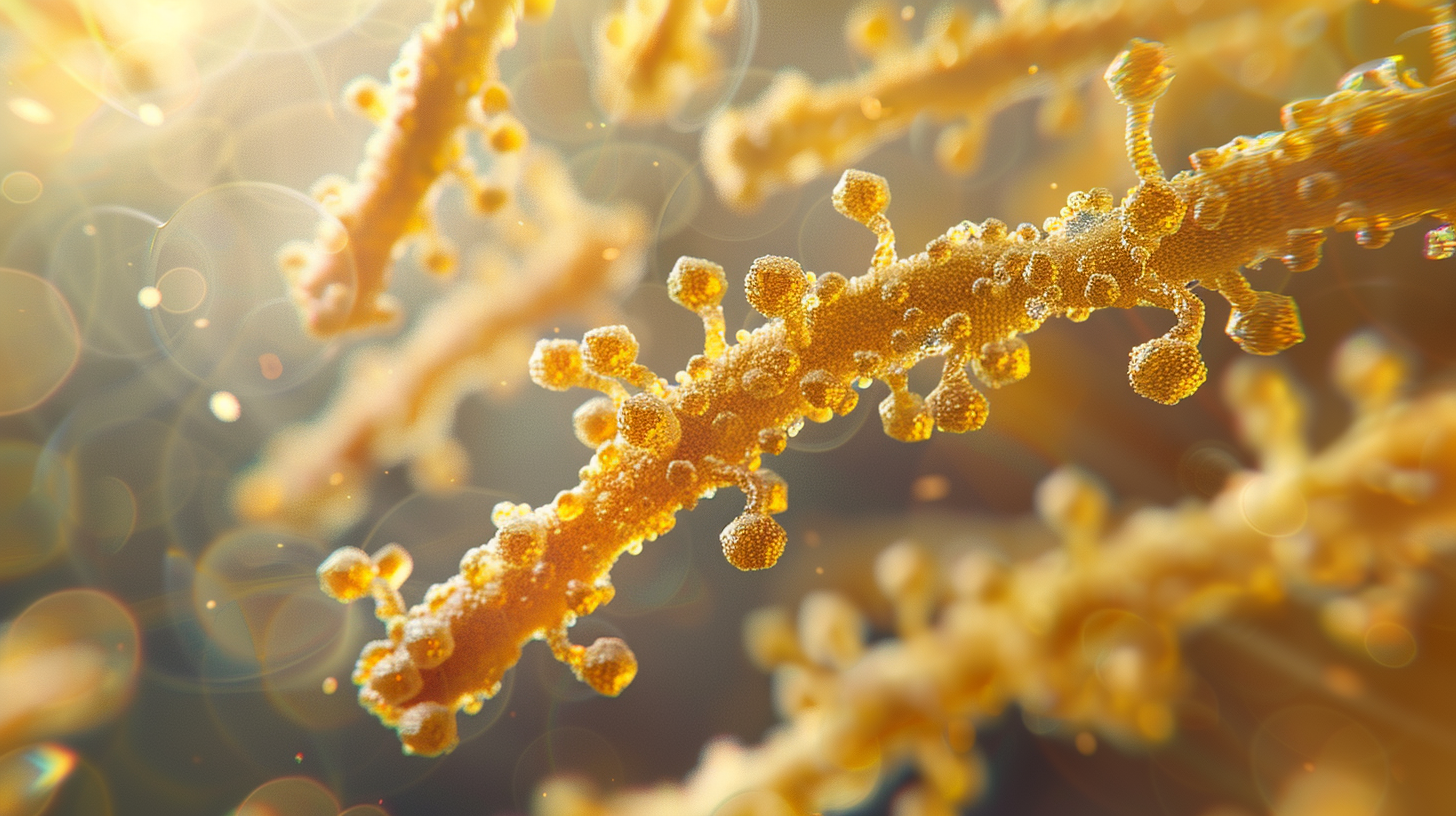
Corynebacterium is a health-associated bacterial genus that serves as the structural pillar of healthy dental plaque — its filaments are the scaffold around which the rest of the biofilm organizes. It's elevated in cavity-free children and depleted in smokers. Note: Corynebacterium lives mostly in plaque, not saliva, so the salivary number undercounts its true ecological importance.
Maintain regular oral hygiene without over-sterilizing. Brushing twice daily and flossing preserve the plaque environment where Corynebacterium serves its scaffolding role. Avoid daily antiseptic mouthwashes for routine wellness use.
Smoking and daily chlorhexidine/CPC mouthwashes. Both reproducibly deplete Corynebacterium and the broader health-associated supragingival community.
What you can do
Corynebacterium is one of the more clearly health-associated oral genera, and the interventions that support it are well-aligned with general oral health.
Smoking cessation (the strongest evidence)
Smoking is one of the most reproducible Corynebacterium-depleting exposures, across multiple populations and sample types. Recovery with cessation is gradual but real — in the 1,601-adult Italian Alpine cohort, aerobic taxa (including Corynebacterium's broader community) increased with years since quitting, with former smokers more than 5 years out resembling never-smokers.
This is the same intervention that supports Neisseria, Lautropia, and the broader aerobic, health-associated community. Corynebacterium recovers along with them.
Avoid daily antiseptic mouthwashes
Chlorhexidine and cetylpyridinium chloride mouthwashes both shift the salivary microbiome away from the health-associated community. In a controlled in-vitro study of saliva-grown microcosm biofilms, twice-daily CHX for 7 days enriched cariogenic saccharolytic taxa; twice-daily CPC enriched gingivitis-associated proteolytic taxa. Both are net unfavorable for Corynebacterium.
The right framing: short clinical CHX courses under dental supervision are appropriate; daily wellness use is not.
Maintain regular oral hygiene without over-sterilizing
The mechanical interventions that preserve Corynebacterium's scaffolding role:
- Twice-daily brushing with fluoride toothpaste. Mechanically disrupts plaque without sterilizing the community. Corynebacterium recolonizes rapidly between brushings, supporting a stable balanced biofilm.
- Daily flossing or interdental brushing. Reaches the spaces brushing misses, where biofilm matures.
- Regular professional cleanings. Address calculus and biofilm beyond home care reach.
Dietary nitrate (modest expected effect)
Corynebacterium possesses nitrate reductase capacity but isn't a major beneficiary of dietary nitrate the way Rothia and Neisseria are. In controlled in-vitro nitrate supplementation, Neisseria expanded ~3.1× and Rothia ~2.9×; Corynebacterium's direct response wasn't individually quantified. Leafy greens and beets remain a good general dietary recommendation but they're not the main Corynebacterium-supporting lever.
Timeframe
Smoking cessation effects accumulate over months to years. Discontinuing daily antiseptic mouthwash should show effects on the scale of weeks. Corynebacterium recolonizes plaque rapidly (within hours after cleaning), so the goal is maintaining the conditions for stable balanced biofilm rather than preserving a particular snapshot.
What does NOT work, or backfires
Daily chlorhexidine mouthwash. Net unfavorable for Corynebacterium and the broader health-associated community.
Daily cetylpyridinium chloride mouthwash. Similar effect — shifts community toward gingivitis-associated proteolytic taxa.
Targeted Corynebacterium probiotics. None exist commercially. The literature on selectively boosting Corynebacterium through supplements is essentially nonexistent.
Species pages
Deeper writeups for individual species in this genus.
Synthesized from 3 peer-reviewed sources · Last updated May 2026
This information is for wellness purposes only and is not a medical assessment. Always consult a medical professional about any health concerns.