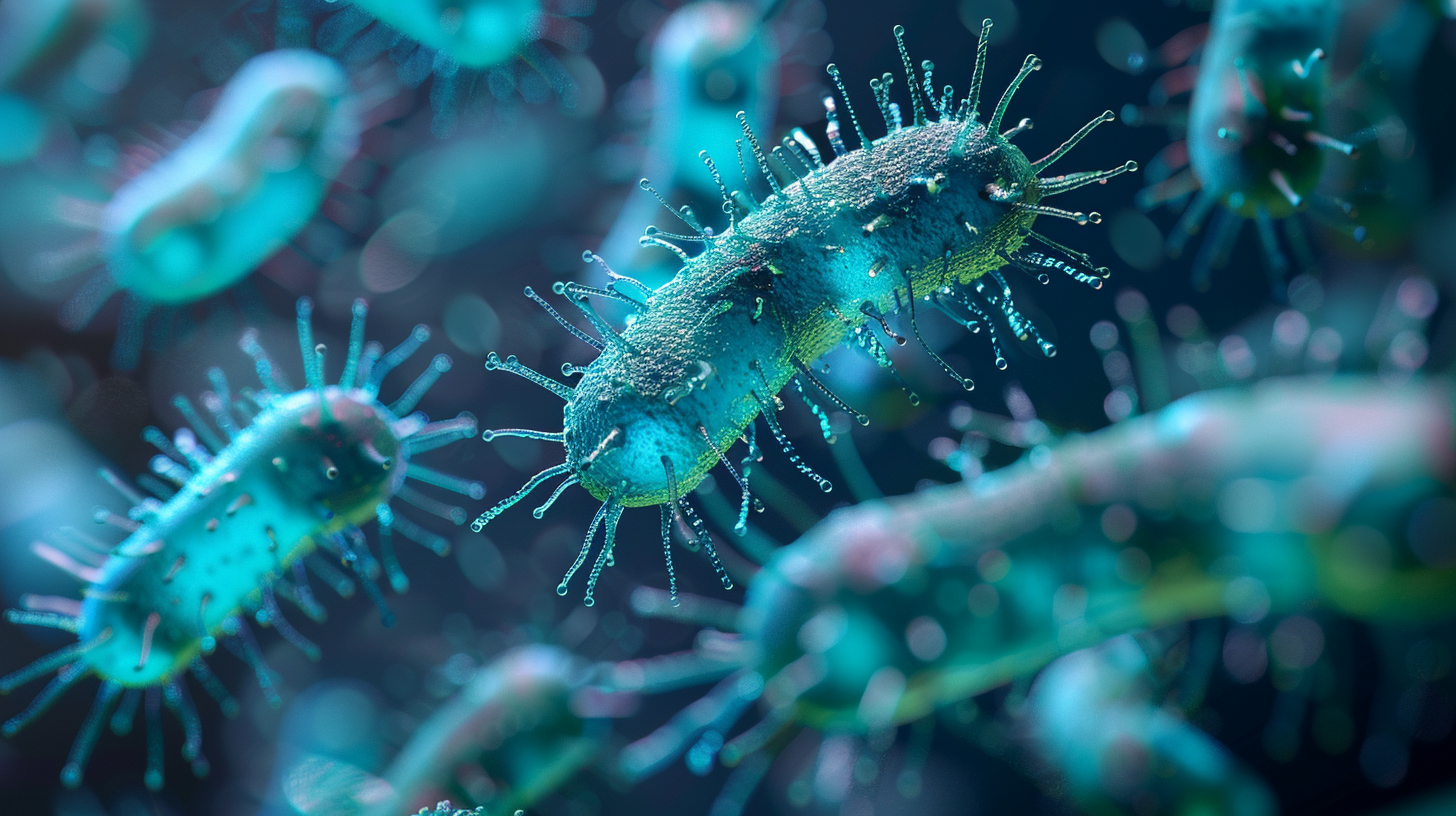
Haemophilus is a common, health-associated bacterial genus that lives alongside the protective Streptococcus species in healthy mouths and contributes to nitrate reduction. It's one of the strongest individual signatures of your oral microbiome — varying more between people than most other genera — and is consistently depleted in smokers.
If you smoke, quit. Haemophilus recovers toward never-smoker levels within years of cessation, and former smokers in large studies look indistinguishable from people who never smoked.
Daily chlorhexidine and alcohol-based mouthwashes for routine use. They reduce Haemophilus alongside the broader nitrate-reducing community, with downstream effects on the nitric oxide pathway.
What you can do
Haemophilus is health-associated, and the literature supports interventions that preserve it.
Smoking cessation (the strongest evidence)
This is the bacterium where the case for "quit smoking" has unusually direct, replicated evidence:
- In a US study of 1,204 adults, current smokers had Proteobacteria abundance of about 4.6% (with Haemophilus as the major component). Never-smokers averaged about 11.7%.
- Former smokers showed no significant difference from never-smokers — meaning the smoking effect is reversible.
- In the 1,601-adult Italian Alpine cohort, Haemophilus and other aerobic bacteria recovered toward never-smoker levels with years since cessation.
Recovery is gradual but real. The longer the cessation, the closer the profile gets to baseline.
Dietary nitrate
Haemophilus benefits indirectly from interventions that support the broader nitrate-reducing community. Leafy greens (spinach, arugula, lettuce), beets, and beetroot juice are rich in nitrate. Continuous in-vitro biofilm work has shown sustained expansion of nitrate-reducing genera with continuous nitrate exposure. The intervention numbers are stronger for Neisseria and Rothia specifically — but the same dietary pattern supports Haemophilus as a community member.
Supporting the broader oral environment
Tongue cleaning, daily flossing, and twice-daily brushing all support a healthy aerobic biofilm where Haemophilus and the protective streptococci can thrive together.
Timeframe
Smoking cessation effects accumulate over months to years. Diet effects are measurable within days to weeks but require sustained intake.
What does NOT work, or backfires
Chlorhexidine mouthwash for daily use. Reduces Haemophilus alongside other nitrate-reducing bacteria. Short clinical courses under dental supervision are appropriate; daily use as a wellness measure is not.
Listerine and alcohol-based daily mouthwashes. Similar non-selective effects.
Antibiotics (when not clinically indicated). β-lactam antibiotics directly target Haemophilus. Necessary antibiotic courses are necessary; using antibiotics for vague oral concerns is not evidence-supported and disrupts community structure.
Sources: Antonello 2023 · Bescos 2020 · Wu 2016
Species pages
Deeper writeups for individual species in this genus.
Synthesized from 12 peer-reviewed sources · Last updated May 2026
This information is for wellness purposes only and is not a medical assessment. Always consult a medical professional about any health concerns.