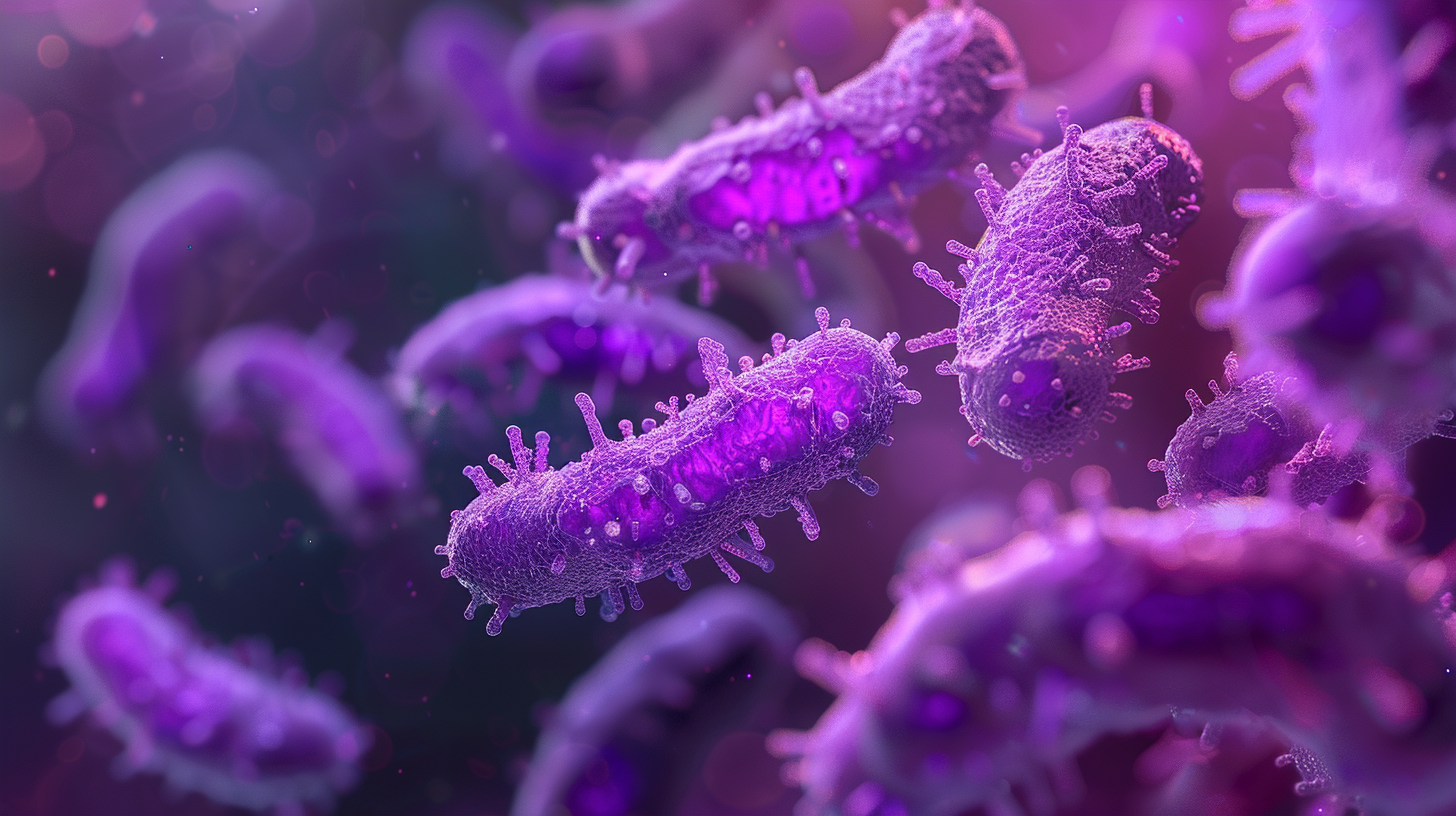
Porphyromonas is a bacterial genus that contains both the most studied gum-disease pathogen (P. gingivalis) and several commensal species associated with oral health (P. pasteri, P. catoniae). Your panel reports each species individually. In healthy adult saliva, the majority of Porphyromonas signal comes from commensal species — so a Porphyromonas sp number on its own (without confirmed P. gingivalis) does not equal "P. gingivalis level."
Maintain regular periodontal care: twice-daily brushing, daily flossing, and professional cleanings. The most reliable way to keep pathogenic Porphyromonas species low is to keep gums healthy.
Daily chlorhexidine and alcohol-based mouthwashes for routine use. They do reduce P. gingivalis but at the cost of killing health-associated nitrate-reducers, with measurable blood pressure effects within one day.
To support beneficial species
Supporting health-associated species
For the commensal Porphyromonas species (P. pasteri, P. catoniae), no specific dietary, hygiene, or supplement interventions have been studied that selectively raise them. Their persistence appears to depend on a healthy oral ecosystem more broadly.
What supports the broader environment that favors commensals:
- Regular oral hygiene without aggressive antiseptic use.
- Adequate salivary flow (hydration matters).
- Avoiding excessive sugar, which favors the cavity-causing side of the community.
One caveat. Dietary nitrate supplementation, which substantially raises Rothia and Neisseria, has also been associated with decreased Porphyromonas in lab studies — including the commensal species. So nitrate-supportive interventions may not selectively benefit commensal Porphyromonas.
The literature on selectively boosting these specific commensals is thin. A consumer-focused approach is to support overall oral health rather than target specific species in this genus.
To reduce harmful species
Reducing pathogenic species
For P. gingivalis and other pathogenic species in this genus, the evidence is much clearer.
Periodontal scaling and root planing (the strongest evidence)
- Standard scaling alone significantly reduces P. gingivalis prevalence and levels at three months.
- Adding amoxicillin and metronidazole produces lower Porphyromonas than scaling alone at three months — though the advantage narrows by six months.
- Salivary P. gingivalis drops alongside subgingival drops after periodontal therapy.
Timeframe. About three months for measurable reduction. Without ongoing maintenance, recolonization begins by six months.
Daily oral hygiene
Brushing three or more times daily was associated with reduced periodontal pathogen burden and substantially lower estimated 10-year cardiovascular risk in a Korean study of nearly 14,000 adults.
What doesn't work or backfires
Daily chlorhexidine mouthwash. It does reduce P. gingivalis — but it also non-selectively kills Rothia, Neisseria, and other nitrate-reducing bacteria. The cost: a measurable drop in plasma nitrite and rise in blood pressure within a single day. Short clinical courses under dental supervision are appropriate; daily wellness use is not.
Antibiotics alone. Without mechanical scaling, biofilms resist antibiotic penetration.
Periodontal treatment without ongoing maintenance. Recolonization is the rule, not the exception.
A dental professional can help determine whether periodontal treatment is appropriate for your specific situation.
Sources: Kapil 2013
Species pages
Deeper writeups for individual species in this genus.
Synthesized from 14 peer-reviewed sources · Last updated May 2026
This information is for wellness purposes only and is not a medical assessment. Always consult a medical professional about any health concerns.